00%


Content marketing isn’t just a buzzword—it’s the secret sauce that’s reshaping how businesses connect, engage, and grow. With 82% of marketers actively leveraging content marketing to solve customer pain points and drive leads, according to HubSpot’s State of Marketing Report, it’s clear that this strategy is more than a trend—it’s a powerhouse.
A study by the Content Marketing Institute (CMI) reveals that 73% of B2B marketers and 70% of B2C marketers use content marketing as a core part of their overall marketing strategy. Why? Because it works. From crafting blogs that educate, to creating videos that inspire, and developing social posts that spark conversations, content marketing is helping brands win hearts and boost bottom lines.
In this blog, we’ll dive deep into how content marketing is changing the game. Whether you’re looking to improve brand visibility, build trust, or generate qualified leads, this article will unpack actionable insights that will transform your marketing strategy. Ready to revolutionize your approach? Let’s jump in.
People buy from brands they trust. Content marketing is all about creating value before asking for anything in return. Instead of bombarding potential customers with ads, businesses are publishing blogs, guides, and videos that genuinely help their audience.
Take this stat from the Content Marketing Institute’s 2023 Report: 71% of B2B marketers use content marketing to build credibility and trust with their audience, while 68% of B2C marketers incorporate it as a key part of their overall strategy.
💡 Actionable Tip: Focus on creating content that answers questions your audience is already asking. Use tools like AnswerThePublic or Google’s “People Also Ask†section to identify common pain points.
Every successful content marketing initiative starts with a solid plan, and at the heart of that plan is a well-structured marketing strategy table of contents. Think of it as the blueprint that organizes your efforts, ensuring nothing gets overlooked and everything aligns with your business goals.
Here’s what your table of contents could include:
💡 Pro Tip: Use tools like Notion, Trello, or Google Sheets to create and organize your table of contents. It’s a dynamic document, so revisit and update it regularly.
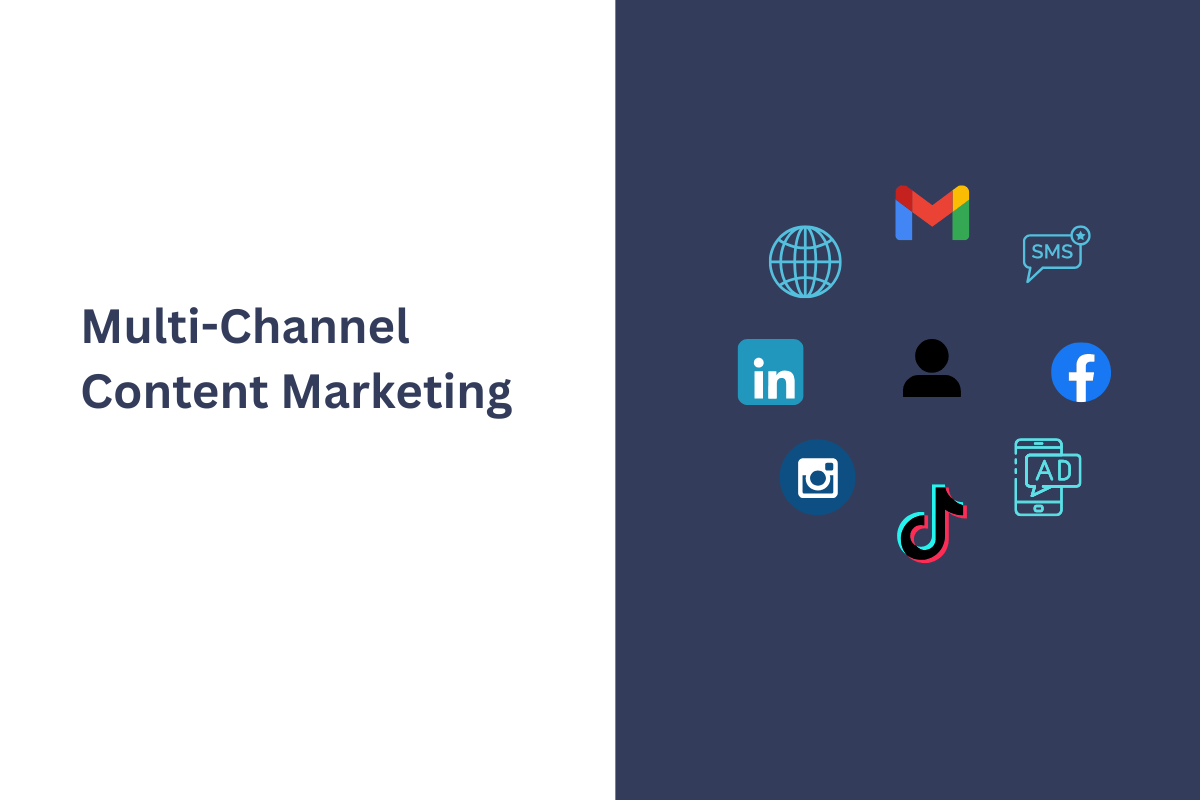
Meeting your audience where they are is non-negotiable. Multi-channel content marketing ensures your message reaches people on the platforms they frequent, whether it’s Instagram, LinkedIn, or email newsletters.
Here’s why it matters:
💡 Pro Tip: Don’t stretch yourself too thin. Focus on 3-4 channels where your audience is most active and consistently deliver high-quality content there.
Imagine your content marketing strategy as a science experiment. The Periodic Table of Content Marketing is a framework that breaks down content marketing into essential elements—just like the periodic table in chemistry. It organizes content types, strategies, and best practices into clear, actionable components.
Here’s how it works:
💡 Pro Tip: Use the periodic table metaphor to audit your existing strategy. Are you missing any “elementsâ€? Do some need optimization?
For example, if your blog traffic is high but your lead conversion is low, you may need to refine your CTAs or experiment with gated content
Content marketing isn’t just changing the game—it’s rewriting the rulebook. It’s about creating value, building trust, and forming genuine connections with your audience. With the right strategy, content marketing can help you not only attract but retain customers in a way traditional methods simply can’t match.
So, what are you waiting for? Dive in, start creating, and watch your brand soar. Your audience is ready—are you?.
The future of content marketing lies in personalization, AI-driven insights, and immersive formats like AR/VR. Marketers will increasingly use data to create hyper-targeted content tailored to individual preferences, ensuring relevance and engagement. Interactive content, like quizzes and live sessions, will dominate, while evergreen formats such as blogs and videos will continue to play a vital role.
Focus on where your audience is most active. Adapt your core message for each platform while keeping the tone and format relevant (e.g., short reels for Instagram, detailed posts for LinkedIn).
The term often refers to using seven key types of content in a strategy, like blogs, videos, infographics, email newsletters, social media posts, podcasts, and case studies.
Social media has transformed marketing by creating direct, two-way communication between brands and consumers. It’s now easier to build relationships, gather real-time feedback, and amplify brand messages. Platforms like Instagram, TikTok, and LinkedIn enable brands to reach niche audiences with tailored content, making campaigns more interactive and engaging than traditional methods.
Content marketing is changing the game by shifting focus from direct selling to providing value, building trust, and establishing long-term relationships with customers. It’s all about being helpful first, which ultimately drives loyalty and sales.
Ready to build something your audience remembers?
Start a Project© 2026 The Digital Creations. All rights reserved.